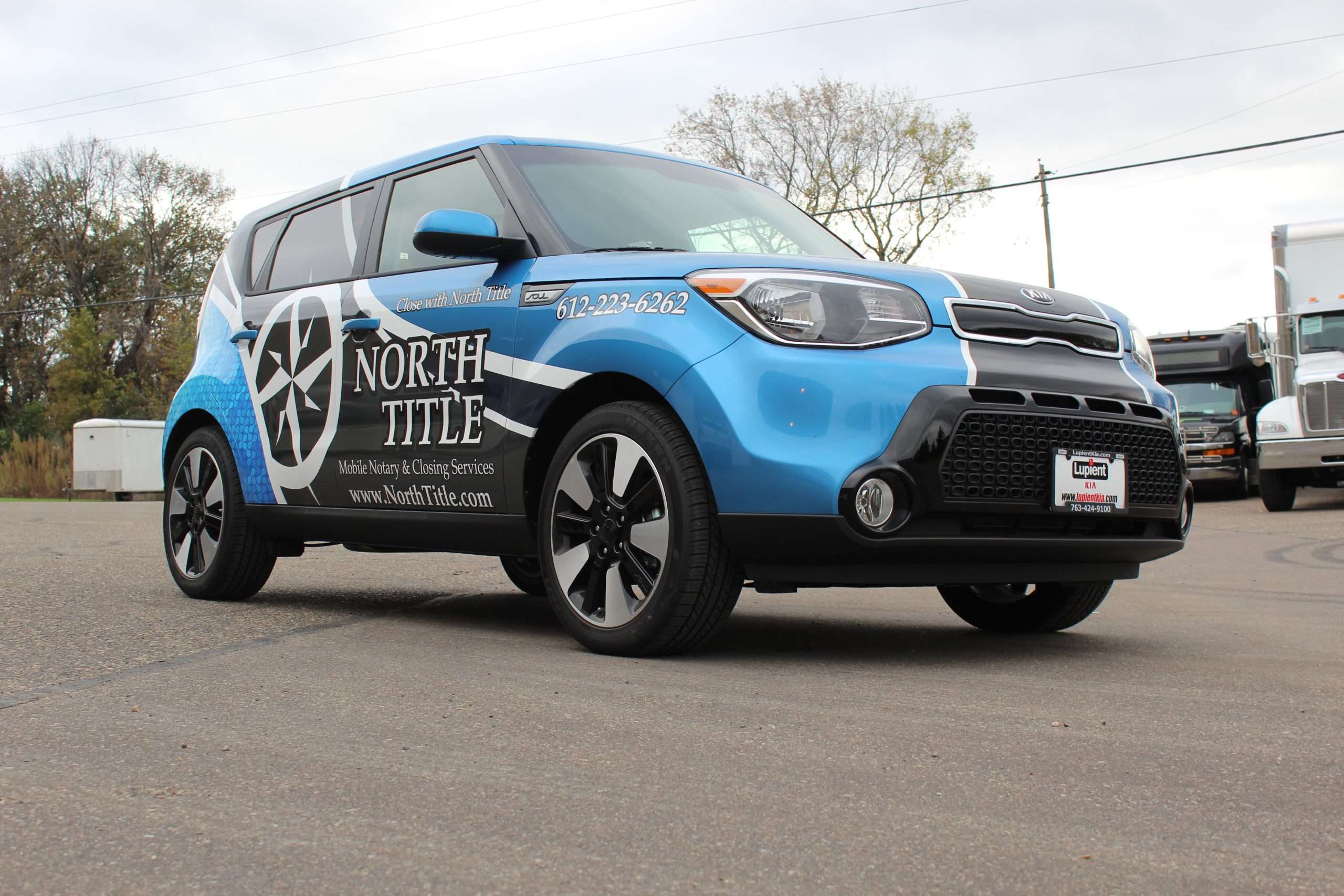
Emergency graphics play a vital role in the visibility, safety, and professionalism of first responder vehicles. More than just decoration, emergency graphics are essential for quick recognition and safe navigation through traffic. Whether it’s a fire truck, police unit, or custom ambulance graphics, well-designed visuals make these vehicles stand out when every second counts. This article explores key elements such as design standards, material durability, and how custom emergency wraps support public safety and service branding.
Design standards are at the heart of effective emergency graphics. From color selection to the use of reflective materials, each element contributes to making emergency vehicles more visible in all conditions. Proper layout and placement ensure compliance with local and national regulations, allowing emergency units to be identified quickly and accurately. We’ll cover how these standards shape the look and function of every graphic, and why they matter in critical situations. The importance of durable materials in long-lasting emergency wraps will also be discussed.
Beyond safety, emergency graphics enhance the professional image of fire departments, EMS providers, and law enforcement agencies. Custom ambulance graphics, for example, communicate care, trust, and attention to detail. With thoughtful design and expert installation, these wraps support both identity and operational effectiveness. We’ll also look at maintenance best practices that ensure your emergency graphics continue to perform, year after year.
Understanding Design Standards for Emergency Vehicles
Emergency graphics follow specific design standards that make vehicles easy to identify at a glance. These standards help emergency responders work more efficiently and safely, especially in high-traffic or low-light conditions. Bright, contrasting colors combined with reflective vinyl help emergency units stand out—day or night. Strategic placement ensures that the vehicle’s purpose is clear from all viewing angles.
These standards are more than guidelines—they are practical necessities. Emergency vehicles must be recognizable from a distance to allow other drivers to yield the right of way. Proper use of emergency graphics directly supports faster response times and safer operations. Reflective striping, bold fonts, and regulated layouts aren’t optional—they are key to effective communication on the move.
Understanding and applying these standards is essential for anyone involved in emergency wraps. It’s about making sure vehicles are functional, compliant, and professional. To learn more about official requirements and best practices, our certifications page outlines the key criteria that influence how emergency graphics are created and approved.
The Role of Material Durability in Emergency Graphics
Durability is a core requirement for emergency wraps. These vehicles operate around the clock and face constant exposure to sun, rain, snow, and road debris. Emergency graphics must withstand harsh conditions without fading, peeling, or losing reflectivity. Choosing premium vinyl and coatings ensures that graphics stay sharp and effective over time.
One effective solution is the use of film laminates. These protective layers help preserve the appearance of emergency wraps by blocking UV rays, repelling moisture, and preventing damage from everyday wear. For emergency vehicles, that extra layer of protection translates to longer-lasting, better-performing graphics in the field.
Reliable emergency graphics don’t just look good—they contribute to safer, more responsive operations. When wraps stay intact and visible, first responders can move through traffic with greater ease and authority.
Important Facts about Designing Graphics for Emergency Vehicles
Emergency vehicle graphics play a crucial role in public safety. They ensure that emergency responders can operate efficiently. Here are six important facts about this vital topic:
Color Matters: The choice of colors in emergency graphics helps drivers recognize emergency vehicles quickly. Bright colors like red and blue stand out in traffic.
Reflective Materials: Using reflective materials increases visibility at night. These materials help emergency vehicles be seen in low light conditions, enhancing safety.
Legal Requirements: Different regions have regulations regarding emergency vehicle graphics. Compliance with these laws is essential for legal operation and public trust.
Durability is Key: Emergency vehicles encounter harsh weather. High-quality materials help graphics last longer and stand up to various conditions, ensuring they remain visible.
Custom Designs: Custom ambulance graphics can reflect the identity of the emergency service. This personalization builds a connection with the community and establishes credibility.
Regular Maintenance: Regular upkeep of vehicle graphics is necessary. This maintenance keeps the graphics in good condition, ensuring they remain effective over time.
`
Enhancing Visibility with Custom Ambulance Graphics
Custom ambulance graphics play a vital role in enhancing visibility, ensuring that ambulances are easily recognized from a distance. The use of bright colors and reflective surfaces is crucial in making these vehicles stand out, especially in low-light conditions. These design elements are not just about aesthetics; they are essential for safety and efficiency in emergency response scenarios. By incorporating fleet graphics that are both eye-catching and functional, ambulances can navigate through traffic more effectively, reducing response times and potentially saving lives.
Moreover, the strategic placement of custom ambulance graphics helps in quickly identifying the vehicle’s purpose, which is critical during emergencies. The use of universally recognized symbols and text ensures that the message is clear to both pedestrians and other drivers. This clarity is vital in high-pressure situations where every second counts. The integration of reflective materials further enhances visibility, making ambulances more noticeable even from afar.
In addition to visibility, custom ambulance graphics contribute to the overall professionalism of emergency services. A well-designed graphic not only serves its functional purpose but also projects an image of reliability and competence. This perception is important in building public trust and confidence in emergency services. By investing in high-quality, custom graphics, ambulance services can ensure they are both seen and respected on the road.
Professionalism in Emergency Vehicle Wraps
Professionalism in emergency vehicle wraps is crucial for establishing credibility and authority in emergency services. A well-designed wrap reflects the identity and values of the service provider, enhancing public trust. The use of customized wraps allows emergency services to present a unified and professional image, which is essential in maintaining public confidence. By incorporating professional designs, emergency vehicles can communicate their purpose effectively while also showcasing their commitment to service excellence.
Customized wraps are not just about aesthetics; they serve a functional purpose as well. They help in distinguishing different types of emergency vehicles, such as police, fire, and medical units, ensuring that each can be quickly identified in a crisis. This distinction is vital for coordinating efforts during emergencies, where clear communication and quick recognition are paramount. The integration of high-quality materials ensures that these wraps remain vibrant and effective over time, even under harsh conditions.
Furthermore, professional wraps contribute to the overall branding of emergency services. They provide an opportunity to convey important information, such as contact details or service mottos, in a visually appealing manner. This branding not only enhances the service’s image but also reinforces its mission and values to the public. By investing in professional wraps, emergency services can ensure that their vehicles are both functional and representative of their commitment to public safety.
Tailored Graphics for Police and Fire Vehicles
Police and fire vehicles have unique graphic requirements that cater to their specific needs and purposes. Tailored graphics are essential in ensuring that these vehicles are easily identifiable and can effectively communicate their role during emergencies. The use of decals and specialty wraps allows for the customization of designs that meet the distinct requirements of each service. By incorporating tailored graphics, police and fire vehicles can enhance their visibility and authority on the road.
For emergency vehicles, graphics often include bold colors and reflective materials that ensure high visibility in various lighting conditions. These designs are crucial for law enforcement officers who need to be easily recognized during patrols or emergency responses. Similarly, fire vehicles require graphics that are not only visible but also convey the urgency of their mission. The use of bright, contrasting colors and reflective surfaces ensures that fire trucks can be quickly identified, even from a distance.
In addition to visibility, tailored graphics play a role in enhancing the professionalism of police and fire services. They provide an opportunity to incorporate logos, service mottos, and other branding elements that reflect the values and identity of the service. This branding is important in building public trust and reinforcing the commitment of these services to community safety. By investing in customized graphics, police and fire services can ensure that their vehicles are both functional and representative of their dedication to public service.
Installation and Maintenance of Emergency Wraps
Proper installation and maintenance of emergency wraps are crucial to ensuring their effectiveness and longevity. The installation process must be carried out with precision to guarantee that the graphics adhere correctly and maintain their appearance over time. This attention to detail is essential in preserving the functionality and aesthetics of the wraps. The importance of proper installation cannot be overstated, as it directly impacts the visibility and professionalism of emergency vehicles.
Regular maintenance is equally important in preserving the quality of emergency wraps. Over time, exposure to harsh weather conditions and daily wear and tear can affect the appearance and effectiveness of the graphics. Routine inspections and maintenance help in identifying any issues early on, allowing for timely repairs or replacements. This proactive approach ensures that emergency vehicles remain in optimal condition, ready to perform their duties at all times.
In addition to maintaining the appearance of the wraps, regular maintenance also contributes to the overall safety and efficiency of emergency vehicles. Well-maintained graphics ensure that vehicles remain visible and easily identifiable, which is crucial during emergency responses. By investing in both proper installation and regular maintenance, emergency services can ensure that their vehicles are always ready to serve the community effectively.
FAQs: Emergency Graphics
Emergency vehicle graphics play a vital role in ensuring public safety and efficient emergency responses. This FAQ section aims to address common queries about designing and maintaining these essential graphics.
How do emergency graphics enhance vehicle visibility?
Emergency graphics use bright colors and reflective materials to make vehicles easily noticeable. This ensures that drivers and pedestrians can quickly identify an emergency vehicle, even from a distance. For example, custom ambulance graphics are crafted to stand out, facilitating quicker responses in critical situations.
What materials are best for durability in emergency wraps?
Durable materials enhance the lifespan of emergency wraps. High-quality vinyl and film laminates offer robust protection against harsh weather conditions. These materials ensure that the graphics remain intact and visible, crucial for vehicles that operate around the clock. Learn more about film laminates and their benefits.
Are there legal requirements for emergency vehicle graphics?
Yes, legal standards regulate the design of emergency graphics. These regulations ensure that graphics comply with safety guidelines, making vehicles recognizably official. Understanding these standards is key to effective emergency vehicle wraps. You can explore design certifications to ensure compliance.
How often should the graphics be maintained or replaced?
Regular maintenance of emergency vehicle wraps keeps them in top condition. While high-quality materials extend their lifespan, periodic checks and cleaning prevent wear and tear. Replacement frequency varies, but regular upkeep is essential for long-lasting displays.
What is the process for installing emergency vehicle wraps?
Installation is a critical step. Expert installers ensure the wraps adhere perfectly to the vehicle’s surface. Proper installation maintains the integrity and effectiveness of the graphics. You can find more information on the installation process and tips.
Bringing It All Together
Emergency vehicle graphics play a vital role in enhancing safety and efficiency. They ensure that police, fire, and medical units are easily recognized. This recognition helps them navigate through traffic quickly. Design standards guide the creation of these graphics. They rely on specific colors and the strategic placement of reflective elements. These standards also help ensure compliance with legal requirements.
Durability is another key factor. High-quality materials, such as those enhanced by film laminates, ensure graphics last. Emergency vehicles face challenging weather and constant use. Without durable graphics, their visibility and professionalism can be compromised. This makes choosing the right materials crucial for maintaining their function over time.
Customization of graphics is more than just an aesthetic choice. Tailor-made designs for ambulances boost visibility, ensuring they stand out in any situation. Customization also extends to police and fire vehicles, meeting their unique needs. Specialized graphics help convey the identity of the service providers. This, in turn, enhances public trust and reflects their commitment to duty.
Proper installation and regular maintenance ensure graphics remain effective. Well-installed graphics look professional and assist in conveying authority. Regular checks and care keep them looking fresh and functional. This maintenance is key to their long-term success.
In summary, design standards, durable materials, customized elements, and proper care all contribute to the success of emergency vehicle graphics. Together, they improve visibility, professionalism, and compliance with legal standards. Tailored graphics offer unique benefits for different services. They make sure these vehicles can perform their duties safely and efficiently. Installation and maintenance ensure the graphics’ lasting effectiveness, protecting the investment made in them. To explore further details, you can learn more about fleet graphics and how they enhance visibility and professionalism.
Final Thoughts
Investing in well-designed emergency vehicle graphics can greatly enhance the efficiency and safety of your fleet. By choosing high-quality, durable wraps, you ensure that your vehicles remain visible and professional in all situations. Consider exploring the benefits of working with experts who offer specialty graphics solutions. These professionals can provide the insights needed to make informed decisions about your fleet’s needs.
Don’t wait to enhance the safety and efficiency of your emergency vehicles. Take the next step by reaching out to experts who can provide the right solutions for your needs. Contact us today to discuss how you can improve your emergency vehicle graphics and ensure your fleet stands out when it matters most.