


National Fleet Graphics Company for Consistent Branding

Key Takeaway: National Fleet Graphics Company A strong national fleet graphics company helps businesses keep vehicle branding consistent across locations, markets, and fleet types. TG Wraps supports national rollouts with centralized planning, standardized specs, coordinated production, and nationwide vehicle wrap installation support. Fleet branding turns everyday vehicles into consistent, high-visibility brand assets. Whether your vehicles are parked at a jobsite, moving through traffic, or serving customers across multiple regions, the design needs to look clear, professional, and recognizable. For businesses with vehicles in more than one market, consistency becomes even more important. Colors, logos, messaging, materials, and placement should not change from city to city. A national fleet graphics company helps keep every vehicle aligned with the same brand standards. TG Wraps supports nationwide vehicle wrap installation with the planning, coordination, and production control needed for larger fleet rollouts. That helps reduce errors, protect timelines, and keep vehicle wraps nationwide looking consistent from one location to the next. Nationwide Service Excellence at TG Wraps National fleet projects need more than good design. They need a process that keeps every vehicle, installer, and location working from the same plan. TG Wraps builds each rollout around clear specs for colors, materials, layouts, and placement. That helps protect brand consistency across different vehicle types, from vans and trucks to trailers and specialty fleet graphics. Centralized planning also helps reduce downtime. By coordinating proofs, production, shipping, and installation details before vehicles arrive, TG Wraps helps businesses keep their fleets moving while still upgrading their brand presence. Keeping Fleet Graphics Consistent Across Markets Different markets may have different needs, but the brand should still feel the same. A service fleet may need clear contact information. A delivery fleet may need fast-read graphics. A utility or municipal fleet may need visibility, trust, and safety messaging. TG Wraps helps adapt fleet graphics to different vehicles and use cases while keeping the core brand system intact. That means consistent colors, clean logo placement, readable messaging, and materials chosen for the demands of the road. The result is a smoother national rollout: one brand standard, many vehicles, and a consistent presence across every market your fleet serves. Important Facts About National Fleet Graphics Working with a national fleet graphics company helps businesses keep vehicle branding consistent across locations, markets, and fleet types. Centralized planning protects consistency: Standard specs for colors, logos, layouts, and materials help every vehicle follow the same brand system. Nationwide support reduces friction: Coordinated production, shipping, and installation help simplify vehicle wraps nationwide. Fleet graphics need repeatable standards: Panel layouts, placement rules, and proofing steps help reduce errors across vans, trucks, trailers, and specialty vehicles. Professional installation matters at scale: A nationwide vehicle wrap installer needs clear processes so each finished vehicle looks clean and on-brand. Strong branding supports recognition: A consistent fleet helps customers recognize the same company from one market to the next. Process and Materials for National Reach As a national fleet graphics company and nationwide vehicle wrap installer, TG Wraps uses a consistent process to keep vehicle wraps nationwide clear, accurate, and on-brand. A strong rollout starts with approved brand files, color targets, layout rules, and vehicle specifications that every location can follow. That planning helps each wrap stay consistent across different makes, models, and markets. Designers can adapt graphics to fit vans, trucks, trailers, and specialty vehicles without drifting from the core brand look. Materials matter too. Premium cast films, UV-stable inks, and protective overlaminates help vehicle graphics hold up against sun, salt, snow, and daily road wear. TG Wraps’ cast vinyl options support clean application, long-term durability, and a sharper finished appearance. We also employ a full time G7+ Certified Color Expert to insure industry leading color standards Coordinating Vehicle Wraps Nationwide National fleet projects need clear communication from start to finish. TG Wraps helps coordinate proofs, production details, shipping, installation windows, and quality checks so each vehicle moves through the rollout with fewer surprises. For larger fleets, repeatable documentation matters. Panel layouts, material specs, install notes, and post-install checks help keep vehicles consistent whether the work happens near headquarters or in another region. Customer care should not stop at state lines. A nationwide vehicle wrap installer needs to support updates, replacements, added vehicles, and aftercare as the fleet changes. That is how TG Wraps helps national brands keep their vehicles looking consistent over time. National Fleet Graphics FAQs What national fleet graphics services does TG Wraps offer? TG Wraps supports national fleet graphics projects with centralized planning, brand standards, production coordination, shipping, and nationwide vehicle wrap installation support. This helps businesses keep vehicle wraps consistent across different locations and fleet types. How does TG Wraps keep fleet graphics consistent nationwide? TG Wraps uses approved brand files, color targets, layout standards, material specs, and installation notes to help each vehicle follow the same system. This helps protect consistency across vans, trucks, trailers, and specialty fleet vehicles. Can TG Wraps support vehicle wraps nationwide? Yes. TG Wraps offers nationwide vehicle wrap support for businesses with vehicles in multiple markets. Their process can include project coordination, production planning, shipping, installation support, and follow-up as the fleet changes. Why work with a nationwide vehicle wrap installer? A nationwide vehicle wrap installer can help reduce the confusion of managing different vendors in different markets. Centralized planning helps keep branding, materials, timelines, and installation expectations more consistent. What should businesses prepare before a national fleet graphics rollout? Businesses should prepare brand files, vehicle lists, locations, timelines, coverage needs, and any required color or messaging standards. Clear information helps TG Wraps plan vehicle wraps nationwide with fewer delays and more consistent results. National Fleet Graphics That Stay Consistent National fleet branding works best when every vehicle follows the same clear system. With the right planning, materials, production standards, and installation support, your brand can stay consistent across vehicles, locations, and markets. As a national fleet graphics company, TG Wraps helps businesses manage vehicle wraps nationwide with a focus on consistency, coordination, and professional results. If
Why Vehicle Wrap Cost Depends on More Than Size

Key Takeaway: Vehicle Wrap Cost The cost of a professional vehicle wrap depends on more than vehicle size. Material square footage matters, but installation labor, vehicle complexity, film quality, installer experience, warranty coverage, and long-term durability all affect the true value of the finished wrap. Why Does One Vehicle Wrap Cost More Than Another? One of the most common questions we hear is, “Why does it cost so much to wrap my car when it’s so much smaller than that box truck you just finished?” It’s a fair question, and the answer comes down to understanding what drives the cost of a professional vehicle wrap. While material is certainly part of the equation, installation labor is often the biggest factor. At first glance, a 26-foot box truck looks like an enormous project. It can easily have more than 500 square feet of printable surface. A personal vehicle, by comparison, may only require around 200 square feet of vinyl. Because of that, many people assume the truck should require two or three times as much labor. Surprisingly, that’s often not the case. Vehicle Size Affects Material Cost Fleet vehicles such as box trucks are generally made up of large, flat panels with relatively few obstacles. Those long, uninterrupted surfaces allow experienced installers to work efficiently, applying large sections of vinyl with minimal stretching or trimming. Although there is more material involved, the installation process itself is often more straightforward. Passenger vehicles are different. They are designed with style in mind rather than installation simplicity. Curved body panels, recessed door handles, mirrors, bumpers, spoilers, complex body lines, and deep channels all require careful stretching, heating, trimming, and finishing. Every one of those details adds time to the installation. Vehicle Complexity Drives Installation Labor A full color change wrap on a personal vehicle can require significantly more labor than many commercial fleet graphics, even though it uses considerably less material. Every panel demands precision because the wrap is not simply displaying graphics. It is becoming the new visible paint color of the vehicle. Installers must hide seams, wrap edges further around body panels, maintain consistent grain direction on specialty films, and make every exposed surface look factory finished. It is meticulous work, and experience matters. That is why vehicle size and vehicle wrap cost do not always move in a straight line. Larger vehicles often use more material, but smaller vehicles with complex curves, trim, and finish expectations can require far more installation time. Material Quality Changes the Long-Term Value Material costs still play an important role. Larger vehicles consume more vinyl and laminate, so their total price often ends up being higher. More square footage means more printed media, more overlaminate, more ink, and more production time. In other words, vehicle size primarily affects material costs, while vehicle complexity drives installation labor. Another factor customers do not always see is the quality of the material being installed. There is a significant difference between economy films and premium wrap products. Lower-cost calendared films may save money upfront, but they typically have a shorter lifespan, often around two to three years in outdoor conditions. They require more heat to conform to curves, tend to shrink over time, and are more likely to lift around edges, rivets, and recessed channels. Even some lower-cost cast films use adhesives that make installation more difficult and less forgiving, increasing labor while often producing a less refined finished product. Why TG Wraps Uses Premium Materials At Transport Graphics, we choose premium materials because they provide better results for our customers over the long term. As a 3M Certified Installer and 3M MCS Warranty Certified shop, we use high-performance cast wrap films paired with premium UV gloss overlaminates designed for maximum durability. A properly manufactured and installed 3M MCS-certified wrap can deliver more than seven years of outdoor performance in many applications and is often backed by an industry-leading warranty. These films conform more easily, remain stable over time, resist shrinking, and can typically be removed with far less adhesive residue when it is eventually time for a new look. Look Beyond the Bottom-Line Price When comparing wrap quotes, it is important to look beyond the bottom-line price. The quality of the materials, the experience of the installers, the warranty behind the finished product, and the expected lifespan all contribute to the true value of a wrap. A professionally installed wrap using premium materials may cost more initially. But when it lasts years longer, maintains its appearance, and removes quicker and cleaner, it often becomes the more economical choice over the life of the vehicle. If you are comparing vehicle wrap options and want a clear explanation of materials, installation, durability, and long-term value, contact TG Wraps to talk through your project.
How to Choose the Right Vehicle Wrap Installer
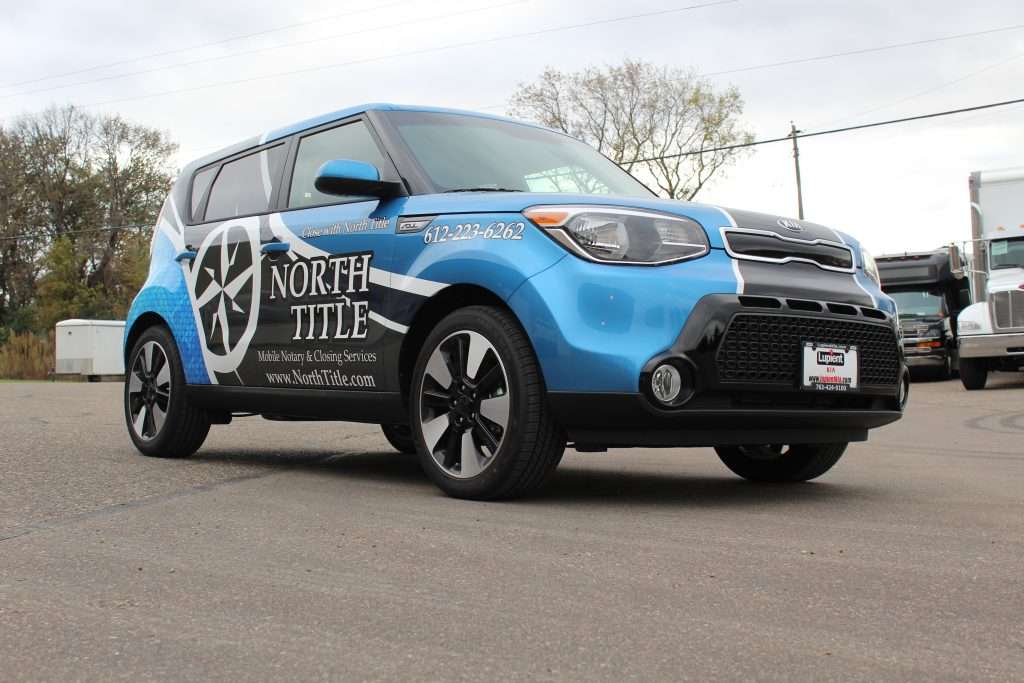
Key Takeaway: Vehicle Wrap Installer The right vehicle wrap installer should bring certified training, proven materials, clean installation standards, and a portfolio that shows consistent results. At TG Wraps, professional installation is backed by careful planning, proper surface preparation, premium 3M and Avery materials, and warranty-minded application standards. Choosing the right vehicle wrap installer makes a major difference in how your finished wrap looks, performs, and holds up over time. Your wrap carries your brand on the road, so the team installing it needs to understand design placement, surface preparation, film handling, seams, curves, and long-term durability. At TG Wraps, professional installation is part of the full wrap process. That means planning the project properly, choosing the right materials, preparing the vehicle correctly, and applying the film with care from the first panel to the final edge. This guide covers three checks that can help you choose with confidence: certifications, past work, and consistency across completed projects. Together, they show whether a shop has the training, process, and attention to detail needed for professional installation. Certifications Matter A certified installer brings more than basic application experience. Certifications show that the installer has trained on proper techniques, understands manufacturer requirements, and follows tested installation standards. It is important to know that a “Preferred” installer and a “Certified” installer are not the same. Certified installers meet a far more rigorous standard and are often required to be recertified yearly. The certification is also broader, extending to business practices and documentation standards. Preferred installers are tested once as individual installers and are not required to maintain the same standards for record keeping for warranty purposes. Past Work Speaks Volumes A portfolio shows what a vehicle wrap installer can actually deliver. Look beyond wide-angle finished photos and study the details. Close-up images reveal how well the installer handles seams, curves, door cuts, bumpers, mirrors, and panel transitions. Consistency matters. Do stripes and patterns line up across doors and body lines? Are edges clean around handles, seals, badges, and trim? Does the wrap look smooth around complex curves without wrinkles, lifting, or obvious stretch marks? Range matters too. TG Wraps works with a wide range of vehicle wraps, fleet graphics, specialty wraps, decals, wall graphics, and other branded applications. Different surfaces and shapes require different planning, material choices, and installation techniques. Customer reviews and real project examples can also help confirm what the portfolio shows. Our gallery of past work shows how different wraps come together across vehicle types, surfaces, finishes, and project styles. If you are comparing shops, ask for examples that match your vehicle type or fleet needs. A professional installer should be able to show relevant work and explain how they would approach your project. Important Facts About Choosing a Vehicle Wrap Installer The right vehicle wrap installer should be able to show proof of training, a strong portfolio, clear reviews, and a professional installation process. Certifications matter: A certified installer understands material requirements, installation standards, and warranty expectations. Past work shows skill: Portfolio examples reveal how well the shop handles seams, curves, edges, color, and vehicle shape. Reviews show consistency: Repeated comments about communication, timelines, and finished quality can help confirm the shop’s reliability. Professional installation protects performance: Proper prep, panel planning, trimming, and finishing help reduce lifting, bubbling, and early wear. Clear aftercare matters: A good installer should explain curing time, washing guidance, warranty terms, and what to expect after pickup. Customer Reviews Show the Real Experience Customer reviews can reveal what a vehicle wrap installer is like to work with before you contact the shop. Look for repeated comments about communication, timelines, finished quality, and how the wrap holds up over time. Strong reviews should support what you see in the portfolio. If customers mention clean seams, sharp alignment, clear expectations, and dependable service across different project types, that points to a stronger professional installation process. Our customer reviews offer another way to judge the experience behind the work, from communication and timelines to finished quality and overall satisfaction. The Importance of Professional Installation A vehicle wrap installer can affect the final result as much as the material itself. Professional installation helps film conform properly, edges stay cleaner, seams land in the right places, and graphics read clearly across doors, curves, bumpers, and trim. Proper prep is a major part of that process. Surface cleaning, panel mapping, tension control, trimming, post-heating, and final inspection all help reduce lifting, bubbling, wrinkles, and early wear. TG Wraps’ installation process is built around careful preparation, precise application, and warranty-minded standards so the finished wrap looks sharp and performs as intended. Ensuring a Successful Wrap Installation A successful wrap starts with clear goals. Tell the shop how the vehicle is used, where it will be seen, what brand standards matter, and whether you need a full wrap, partial wrap, decals, reflective graphics, or a specialty finish. Before installation begins, confirm the important details: measurements, panel layout, design proof, material choice, coverage areas, timeline, warranty terms, and aftercare instructions. A certified installer should be able to explain the plan clearly. After installation, review the vehicle panel by panel. Check seams, edges, handles, mirrors, curves, and color consistency. Then follow the recommended care instructions so the wrap has the best chance to cure properly and last longer. Vehicle Wrap Installer FAQs What should I look for in a vehicle wrap installer? Look for certifications, proven materials, a strong portfolio, clear customer reviews, and a professional installation process. The right vehicle wrap installer should be able to explain surface prep, panel planning, warranty terms, and aftercare before the project begins. Why does certified installer training matter? Certified installer training shows that the installer understands proper film handling, surface preparation, trimming, post-heating, and manufacturer standards. These steps help reduce lifting, bubbling, poor seams, and early wear. How can I judge a wrap installer’s past work? Review close-up photos, finished vehicle examples, and customer feedback. Look for clean edges, smooth curves, aligned graphics, consistent color, and examples
Construction Truck Wraps That Build Jobsite Visibility
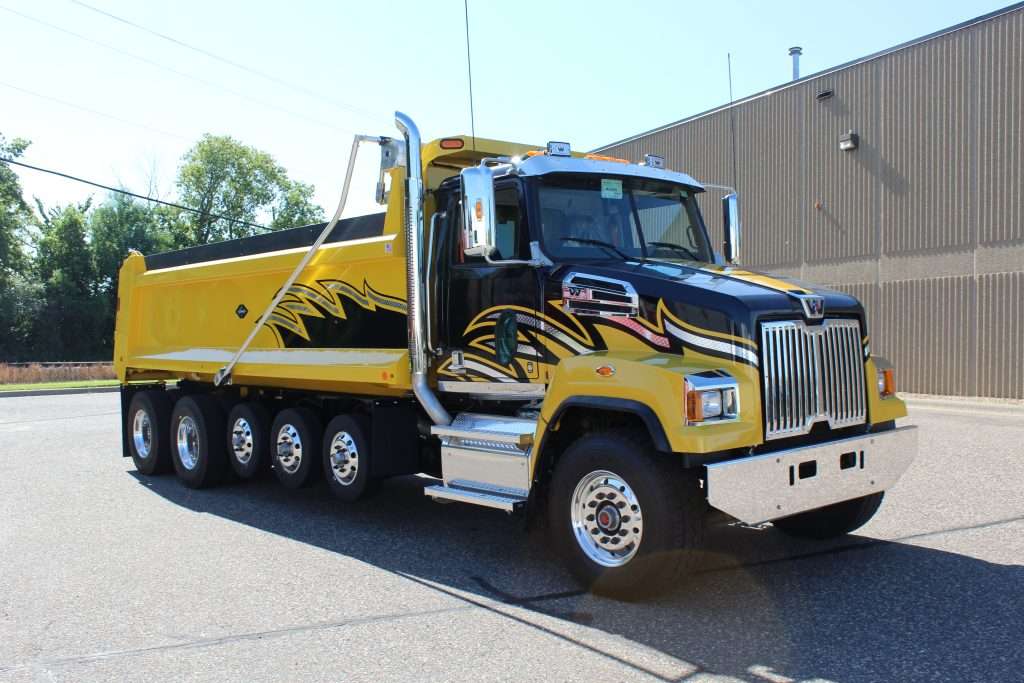
Key Takeaway: Construction Truck Wraps Construction truck wraps help protect fleet vehicles from daily wear while creating clear, consistent branding on the road and at active job sites. With durable materials, UV-stable laminate, strategic design, and professional installation, wraps support stronger industrial branding and help mixed fleets stay recognizable in demanding environments. Construction truck wraps change how crews, clients, and the public see your fleet. Strong colors, clear logos, and readable contact information help your vehicles stand out on busy roads and active job sites. For construction and industrial companies, that visibility matters. A clean, consistent fleet sends a message of organization, professionalism, and pride before the crew even steps out of the truck. Wraps can also help protect vehicle surfaces from sun exposure, road debris, jobsite dust, and daily wear. When built with durable film, protective laminate, and proper installation, they help your fleet stay sharp longer while supporting stronger industrial branding. This article looks at how construction truck wraps improve visibility, support custom fleet wraps, and help construction vehicles hold up in demanding work environments. Design Considerations for Custom Wraps Good wrap design starts with purpose. Construction companies may need fast vehicle identification on site, stronger lead generation on the road, or consistent branding across mixed fleet types. Clear design makes that possible. Choose strong contrast, keep the message short, and place the most important information where it can be read quickly. A logo, service line, phone number, and web address usually work better than crowded copy. Vehicle shape matters too. Doors, beds, tailgates, toolboxes, trailers, and service bodies all affect how the design should be placed. Key text should stay away from seams, handles, hinges, and high-wear areas whenever possible. For larger vehicles, truck wraps need layouts that stay readable from longer distances. Side panels should emphasize brand recognition, while rear panels should prioritize contact details for traffic and jobsite visibility. Custom fleet wraps work best when every vehicle follows the same design system. Consistent colors, logo placement, fonts, and unit markings help pickups, vans, trailers, and heavy-duty vehicles feel like one organized fleet. Reflective accents can also support visibility and safety for crews working early mornings, evenings, or low-light job sites. Reflective graphics have been shown to reduce accidents by as much as 37%. Used carefully, they improve visibility and safety without overwhelming the overall brand design. Durability and Maintenance of Custom Wraps Construction vehicles face tougher conditions than many standard commercial vehicles. Sun, gravel, dust, mud, road salt, fuel residue, and frequent washing can all affect wrap performance over time. Material choice matters. High-quality films like cast vinyl help wraps conform to curves and panels, while film laminates offer better long-term protection than liquid laminates. That supports TG Wraps’ focus on quality, durability, and lasting customer value. Installation also affects durability. Clean surface preparation, proper edge finishing, and controlled application help reduce lifting, bubbling, and premature wear. Our vehicle wrap installation process is designed to support cleaner results and longer-lasting performance. Maintenance should be simple and consistent. Rinse away dust before washing, use mild soap, avoid harsh brushes or abrasive cleaners, and inspect edges or high-contact areas regularly. Small issues are easier to manage before they become larger repairs. Different vehicles may also need different maintenance plans. Heavy-use trucks, trailers, and service vehicles may need more frequent inspections than lighter-duty fleet vehicles. Planning for care by vehicle type helps custom fleet wraps stay consistent across the full fleet. The best construction truck wraps balance durability, readability, and brand consistency. They protect the professional look of the fleet, strengthen industrial branding, and help every vehicle support the business wherever the work takes it. Important Facts About Construction Truck Wraps Construction truck wraps help work vehicles look professional, stay recognizable, and support stronger industrial branding across jobsites, service areas, and mixed fleet types. Custom fleet wraps build consistency: Matching colors, logos, and layouts help pickups, trailers, vans, and service trucks look like one organized fleet. Clear design improves recognition: Large logos, strong contrast, and readable contact details make vehicles easier to identify on the road or at active jobsites. Durable materials protect appearance: Quality films and film laminates help wraps hold up against sun, dust, road debris, washing, and daily work conditions. Professional installation matters: Proper surface preparation, panel planning, and edge finishing help reduce lifting, bubbling, and premature wear. Strong industrial branding supports trust: A clean, consistent fleet helps reinforce professionalism with clients, contractors, inspectors, and the public. Building a Cohesive Brand Image Construction truck wraps help every vehicle present the same professional identity. When pickups, service vans, trailers, and heavy-duty trucks share a consistent look, the fleet feels organized instead of pieced together. Strong industrial branding depends on repeatable design choices. Logo placement, colors, fonts, contact details, unit numbers, and safety markings should follow the same system across every vehicle type. That consistency builds recognition over time. Crews look aligned, customers remember the brand more easily, and each vehicle supports the same message on the road and at the jobsite. For growing fleets, custom fleet wraps also make future vehicle additions easier. A clear design system helps each new unit match the rest of the fleet without starting from scratch. Enhancing Professionalism in Challenging Environments Construction vehicles operate in rough conditions. Dust, mud, weather, road debris, and daily use can make a fleet look worn fast. A well-designed wrap helps maintain a cleaner, more professional appearance. Clear logos, strong contrast, and simple service messaging help trucks stay recognizable in crowded work areas and busy traffic. Reflective accents can also support visibility for early starts, late finishes, and low-light jobsite conditions. Different vehicles have different needs, but the brand should still feel consistent. Service vans, work trucks, trailers, and specialty vehicles all require layouts that fit their shape, use, and visibility goals. That is where thoughtful planning matters. Strong construction truck wraps balance appearance, durability, and readability so the fleet looks professional whether parked at a project site, moving between jobs, or representing the company
Why You Need 3M Certified Wraps
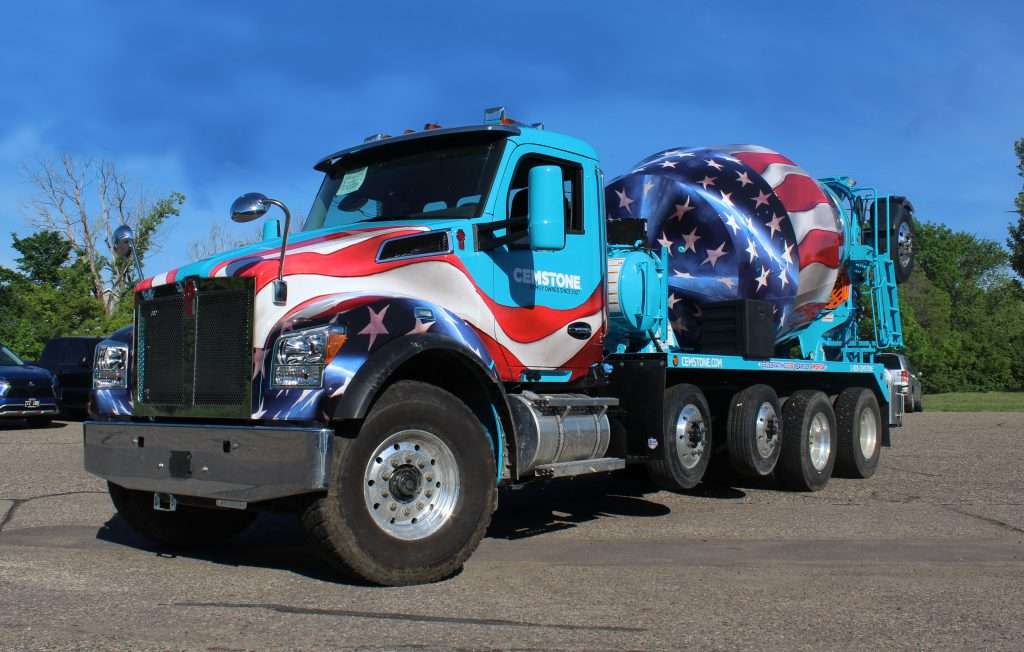
Key Takeaway: 3M Certified Wraps 3M certified wraps combine tested materials, approved installation methods, and warranty-backed systems designed to improve durability, finish quality, and long-term performance. From reflective graphics to full commercial wraps, certification helps ensure the wrap holds up under real-world conditions. 3M certified wraps are built around consistent standards for materials, printing, installation, and long-term performance. Certification is not just about using a recognizable brand name. It reflects a system designed to improve durability, color consistency, adhesion, and finish quality across the entire wrap process. That system matters because vehicle wraps deal with constant exposure to heat, sun, rain, debris, and daily wear. Using matched films, laminates, print profiles, and installation methods helps reduce problems like lifting edges, fading, bubbling, and premature failure. At TG Wraps, those standards support everything from personal vehicles to commercial fleets and specialized applications. Our team uses premium materials, controlled installation processes, and warranty-backed systems designed for long-term performance. That includes projects involving custom vehicle wraps, commercial branding, and high-visibility reflective graphics for police fleets. Certification also supports consistency. A properly installed wrap should maintain clean edges, accurate color, and a professional finish throughout its lifespan. That level of quality depends on both the materials being used and the experience of the installers applying them. The Value of the 3M MCS Warranty System The 3M MCS Warranty is designed to cover the full print system rather than just one material component. Films, laminates, inks, and print settings are matched to work together under approved conditions. That coordination helps improve color accuracy, adhesion, finish consistency, and durability over time. Cast vinyl films conform more effectively to curves and recessed areas, while compatible laminates help protect the surface from UV exposure, weather, and regular cleaning. At TG Wraps, we build these systems using approved 3M cast films and installation methods designed to support long-term performance. Matching the correct film, laminate, and print profile also makes future repairs or panel replacements more consistent if damage occurs later. Preparation plays a major role as well. Surface condition, temperature control, print testing, and installation planning all affect how well the wrap performs after it leaves the shop. A properly planned system helps reduce early wear and supports a cleaner, more reliable finish. Why Certified Installation Matters Even high-quality materials can fail if installation standards are inconsistent. 3M certified wraps depend on proper preparation, controlled application techniques, and installers who understand how the material behaves across different surfaces and vehicle shapes. Professional installation includes surface preparation, panel alignment, tension control, edge sealing, and post-heating procedures designed to reduce stress on the film. These steps help prevent lifting, overstretching, visible tension lines, and premature wear. At TG Wraps, our installation process follows the standards reflected in our vehicle wrap installation practices. Those methods support commercial wraps, color-change projects, fleet vehicles, trailers, and mixed-surface applications. The final result should look clean and consistent from every angle. Straight lines, smooth finishes, accurate alignment, and secure edges all contribute to the long-term appearance and performance of the wrap. That attention to detail is part of what separates quality vehicle wraps from installations that begin showing problems too early. Key Facts About 3M Certified Wraps 3M certified wraps support long-term durability through matched materials, approved print systems, and controlled installation methods. The 3M MCS Warranty helps protect color consistency, adhesion, and finish quality when approved systems are used. Certified installation standards matter because preparation, tension control, and post-heating all affect wrap lifespan. Quality vehicle wraps rely on consistent production to maintain clean finishes, accurate colors, and reliable performance. Reflective graphics improve visibility for fleet, emergency, and specialty vehicle applications in lower-light conditions. Upholding Standards as a 3M Authorized Graphics Manufacturer 3M certified wraps rely on consistent production standards from print setup through final installation. At TG Wraps, we manage color calibration, material matching, printer settings, and lamination in-house to help maintain reliable results across every project. As a 3M Authorized Graphics Manufacturer, we use approved systems designed to improve compatibility between films, inks, laminates, and installation methods. That process helps reduce inconsistencies, shorten production delays, and support long-term wrap performance. These standards also support specialty applications like reflective graphics, textured films, and large commercial fleet projects. Maintaining accurate color, sharp detail, and clean finishes across multiple vehicles is part of what separates quality vehicle wraps from lower-grade production work. Ensuring Quality and Durability Through 3M Certification 3M certified wraps are designed to support long-term durability under daily driving conditions. Approved film and laminate combinations help reduce fading, lifting, cracking, and premature wear caused by weather, UV exposure, washing, and road debris. Material selection matters because different vehicles and applications require different performance characteristics. Commercial fleets may prioritize durability and easier panel replacement, while personal wraps may focus more heavily on finish quality and appearance. At TG Wraps, we use tested systems and controlled installation methods to support clean finishes, strong adhesion, and consistent color over time. That process applies across custom vehicle wraps, fleet branding, and specialty wrap projects. Advancing Visibility with Reflective Graphics 3M certified wraps can also incorporate reflective graphics designed to improve visibility in lower-light conditions. Reflective films return light toward its source, helping vehicles remain easier to identify at night, during storms, or in reduced visibility environments. Proper installation is important because reflective materials respond differently than standard films. Panel placement, seam alignment, and surface preparation all affect how cleanly reflective elements perform across complex vehicle shapes. These systems are commonly used on service fleets, utility vehicles, and emergency applications where visibility matters. Projects involving emergency vehicle graphics often combine reflective elements with branding and identification markings to support both recognition and visibility. The goal is to improve visibility without overpowering the overall design. When reflective graphics are integrated correctly, they support both safety and professional appearance within the same certified wrap system. FAQ: 3M Certified Wraps Why do 3M certified wraps matter? 3M certified wraps use approved materials and installation methods designed to improve durability, finish quality, and